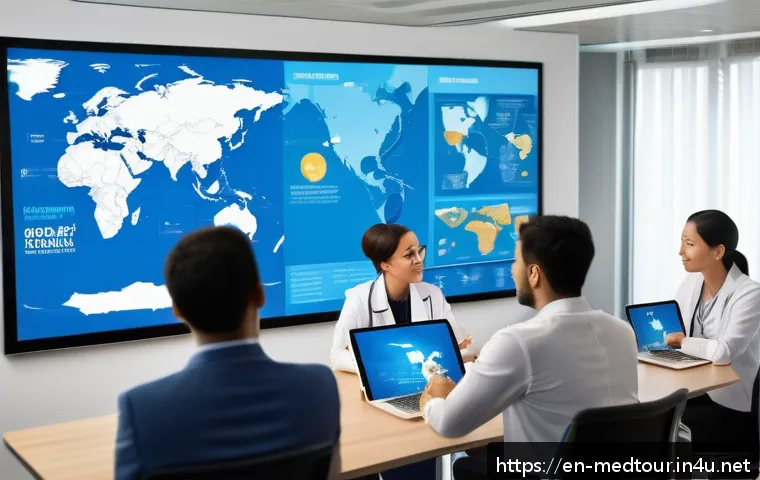
In today’s fast-evolving medical tourism industry, clear and compassionate communication has become more crucial than ever. As patients navigate complex healthcare options abroad, coordinators play a pivotal role in bridging cultural and language gaps to ensure a seamless experience.

Recently, the demand for personalized support and transparency has skyrocketed, making communication skills a top priority. From my own experience working alongside patients and providers, I’ve seen how effective dialogue can transform anxiety into confidence.
Let’s explore how mastering these skills can elevate patient satisfaction and set coordinators apart in this competitive field.
Building Trust Through Active Listening
Understanding Patient Concerns Beyond Words
When patients reach out for medical tourism services, they often carry a mix of hope, anxiety, and uncertainty. Simply hearing their words isn’t enough—truly listening means picking up on the subtle emotions and fears that underlie their questions.
In my experience, pausing to reflect back what a patient has shared helps validate their feelings and builds a strong foundation of trust. This kind of active listening often reveals concerns that patients don’t directly voice, such as worries about recovery or cultural differences in care.
By tuning in closely, coordinators can tailor their support and information to address these hidden needs.
Techniques That Encourage Open Dialogue
Creating an environment where patients feel comfortable sharing openly requires intentional effort. Using open-ended questions like, “What worries you most about traveling for treatment?” invites detailed responses rather than simple yes or no answers.
I’ve found that gently summarizing what patients say throughout the conversation reassures them that they’re being heard, which encourages even deeper sharing.
Reflective phrases such as “It sounds like you’re concerned about the language barrier during your hospital stay” can help clarify misunderstandings early on.
This approach reduces confusion and sets the stage for a collaborative relationship.
Nonverbal Cues as Communication Tools
Listening isn’t just about words—it’s also about interpreting nonverbal signals like tone, facial expressions, and body language. When video calls or face-to-face meetings aren’t possible, paying attention to the pace and pitch of a patient’s voice can provide clues to their emotional state.
For example, a hurried or shaky voice might indicate stress or nervousness. I remember a case where a patient’s hesitant tone prompted me to slow down and offer more reassurance, which significantly eased their anxiety.
Coordinators who develop this sensitivity can respond more empathetically, making patients feel genuinely cared for.
Overcoming Language Barriers with Cultural Sensitivity
Using Professional Interpreters Effectively
Even the best medical coordinators can struggle when language barriers arise. Hiring professional interpreters familiar with medical terminology is essential, but the coordinator’s role in facilitating smooth communication is just as critical.
From my experience, briefing interpreters on the patient’s cultural background and medical context beforehand improves accuracy and rapport. Also, coordinating follow-up questions and clarifications during the conversation helps avoid misunderstandings that can lead to frustration or mistakes.
Adapting Communication Styles to Cultural Norms
Different cultures have distinct ways of expressing respect, asking questions, or discussing sensitive topics like illness and death. I’ve noticed that patients from some regions prefer indirect communication and may hesitate to ask direct questions, fearing it might seem rude.
Recognizing these nuances allows coordinators to adjust their tone and phrasing accordingly. For instance, instead of bluntly pushing for information, using more polite and patient-centered language encourages patients to open up at their own pace.
Leveraging Technology for Clearer Exchanges
Modern translation apps and platforms can supplement human interpreters, especially when immediate responses are needed. However, I’ve learned that relying solely on technology can sometimes cause confusion due to imperfect translations or lack of context.
Combining these tools with human support ensures patients receive clear, accurate information. Video calls with screen sharing or visual aids also help bridge understanding gaps, making complex medical concepts easier to grasp.
Personalizing Communication for Individual Patient Needs
Assessing Communication Preferences Early
Not every patient wants the same level of detail or frequency of updates. Early in the relationship, I always ask patients how much information they prefer and which communication methods work best for them—whether that’s email, phone, or messaging apps.
This proactive step prevents overload and respects their boundaries. For example, some patients appreciate daily check-ins, while others find that overwhelming and prefer weekly summaries.
Adjusting Information Complexity Based on Understanding
Medical jargon can quickly overwhelm patients unfamiliar with healthcare terminology. I’ve found that simplifying language without being condescending is an art.
Using analogies or everyday comparisons helps patients grasp their treatment plans more clearly. When patients show confusion, I slow down and invite questions, ensuring they feel empowered rather than lost.
Tailoring the depth of information to each person’s comfort level fosters confidence and reduces decision fatigue.
Supporting Emotional Needs Alongside Practical Information
Patients often appreciate when coordinators acknowledge their emotional journey, not just the logistics. Sharing empathetic statements like, “I know this process can feel overwhelming, but I’m here to help every step of the way” can make a huge difference.
I also encourage patients to express their fears and celebrate small milestones with them. This emotional support builds a sense of partnership and motivates patients to stay engaged throughout their treatment abroad.
Ensuring Transparency to Build Credibility
Clear Explanation of Costs and Services
One of the biggest sources of patient anxiety is uncertainty about pricing and what services are included. I always provide detailed, itemized breakdowns of costs upfront, explaining any possible additional fees clearly.
From my interactions, patients respond positively when they feel there are no hidden charges or surprises. This transparency not only avoids disputes later but also positions the coordinator as trustworthy and professional.
Honest Communication About Risks and Outcomes
It’s tempting to focus only on the positive, but patients deserve a balanced view of potential risks and realistic outcomes. I make it a point to honestly discuss possible complications or limitations of treatment options, which I’ve found actually increases patient confidence.
When patients feel that they are getting the full picture, they are better prepared mentally and emotionally, and they tend to trust recommendations more.
Regular Updates and Follow-Ups
Keeping patients informed throughout the process is critical. Even when there are no new developments, a quick message to check in reassures patients that they haven’t been forgotten.
In my experience, timely updates about appointments, test results, or travel arrangements reduce stress and improve overall satisfaction. This ongoing transparency strengthens the patient-coordinator relationship and encourages positive reviews and referrals.

Utilizing Empathy to Enhance Patient Experience
Recognizing Emotional States and Responding Appropriately
Empathy goes beyond understanding—it’s about responding in ways that make patients feel genuinely cared for. When a patient expresses fear or frustration, I try to acknowledge their feelings explicitly, saying things like, “It’s completely understandable to feel this way.” This validation helps patients feel seen and less isolated.
I recall a time when a patient was anxious about post-op care, and simply offering reassurance and practical advice made a noticeable difference in their calmness.
Building Long-Term Relationships Beyond Treatment
Medical tourism can sometimes feel transactional, but I’ve found that fostering ongoing connections with patients pays off. Sending follow-up messages weeks or months after treatment to check on recovery shows that the care doesn’t stop at the hospital door.
This level of empathy builds loyalty and encourages patients to recommend the service to friends or family, which is invaluable for business growth.
Incorporating Patient Feedback for Continuous Improvement
Inviting patients to share their experiences and suggestions demonstrates that their opinions matter. I always ask for feedback on communication and service quality, which not only helps identify areas for improvement but also makes patients feel involved and respected.
Acting on this feedback quickly signals professionalism and a commitment to excellence, which strengthens trust and reputation.
Strategies for Managing Difficult Conversations
Preparing for Challenging Topics with Sensitivity
Sometimes coordinators must deliver difficult news, such as treatment delays or unexpected complications. Preparing carefully by gathering all relevant facts and anticipating patient reactions helps manage these conversations more smoothly.
I’ve learned that starting with empathy and acknowledging the patient’s likely disappointment before explaining the situation helps soften the impact.
Maintaining Calm and Professionalism Under Pressure
Patients can become upset or frustrated when things don’t go as planned. Staying calm and composed during these moments is crucial. I remind myself to listen without interrupting, validate their feelings, and avoid defensive responses.
This approach often deescalates tension and paves the way for constructive problem-solving.
Offering Solutions and Alternatives Proactively
Rather than focusing solely on problems, presenting clear options and next steps empowers patients. For example, if a preferred hospital slot is unavailable, suggesting alternative dates or facilities shows commitment to finding a solution.
From my experience, this proactive stance reassures patients that their care remains the top priority, even when challenges arise.
Measuring Communication Effectiveness for Continuous Growth
Tracking Patient Satisfaction Metrics
Collecting data through surveys or direct interviews helps identify how well communication strategies are working. I pay close attention to feedback on clarity, responsiveness, and empathy to spot trends and areas needing attention.
Regular assessment ensures that improvements are meaningful and aligned with patient expectations.
Utilizing Technology to Analyze Communication Patterns
Tools like call recordings or chat logs can be reviewed to evaluate tone, pacing, and message clarity. I’ve found that reflecting on these interactions with colleagues provides valuable insights and training opportunities.
These analyses help coordinators refine their approach and adapt to diverse patient needs more effectively.
Implementing Training Based on Findings
Continuous learning is vital. Based on feedback and analysis, I participate in workshops or role-playing exercises to sharpen communication skills. Encouraging a culture of openness and improvement within the team ensures that every patient interaction meets high standards of professionalism and compassion.
| Communication Aspect | Key Practices | Benefits for Patients | Coordinator Impact |
|---|---|---|---|
| Active Listening | Reflective responses, open-ended questions, attention to nonverbal cues | Patients feel heard, anxiety reduced, concerns uncovered | Builds trust, improves information accuracy |
| Language & Cultural Sensitivity | Use of interpreters, adapting tone, cultural awareness | Clearer understanding, respectful interactions | Enhances rapport, reduces misunderstandings |
| Transparency | Clear cost breakdowns, honest risk discussion, regular updates | Reduced uncertainty, informed decisions | Boosts credibility, prevents disputes |
| Empathy | Validating feelings, long-term follow-up, feedback integration | Emotional support, patient engagement | Strengthens loyalty, improves reputation |
| Difficult Conversations | Preparedness, calm demeanor, proactive solutions | Minimized stress, constructive outcomes | Maintains professionalism, problem-solving focus |
| Continuous Improvement | Satisfaction surveys, communication reviews, training | Better communication experiences over time | Enhances skills, ensures patient-centered care |
In Conclusion
Effective communication is the cornerstone of building trust and delivering exceptional care in medical tourism. By actively listening, embracing cultural sensitivity, and maintaining transparency, coordinators can create meaningful connections with patients. Empathy and continuous improvement further enhance the patient experience, ensuring both emotional and practical needs are met throughout the journey.
Helpful Information to Keep in Mind
1. Always encourage patients to share openly by asking thoughtful, open-ended questions that invite detailed responses.
2. Use professional interpreters and technology wisely to overcome language barriers while respecting cultural nuances.
3. Tailor communication styles and information complexity to match each patient’s preferences and understanding.
4. Maintain transparency about costs, risks, and updates to build credibility and reduce patient anxiety.
5. Incorporate empathy and follow up consistently to foster long-term relationships and trust.
Key Takeaways
Clear and compassionate communication is essential for successful patient coordination in medical tourism. Active listening reveals unspoken concerns, while cultural sensitivity ensures respectful and effective interactions. Transparency about procedures and costs builds trust, and empathetic engagement supports patients emotionally. Preparing for difficult conversations with calmness and offering practical solutions promotes positive outcomes. Finally, continuous evaluation and training help maintain high standards and improve patient satisfaction over time.
Frequently Asked Questions (FAQ) 📖
Q: uestionsQ1: Why is effective communication so important in medical tourism coordination?
A: Effective communication is essential because patients often face unfamiliar healthcare systems, language barriers, and cultural differences when seeking treatment abroad.
Clear, compassionate dialogue helps reduce their anxiety, ensures they understand their options, and builds trust between patients and providers. From my experience, coordinators who communicate well not only improve patient confidence but also help avoid misunderstandings that could impact treatment outcomes.
Q: How can coordinators improve their communication skills to better assist international patients?
A: Coordinators can enhance their communication skills by actively listening, being culturally sensitive, and using simple, jargon-free language. It’s also helpful to provide personalized support, such as follow-ups and clarifying questions patients might hesitate to ask.
I’ve found that role-playing scenarios and ongoing training in cross-cultural communication significantly boost a coordinator’s ability to connect authentically with diverse patients.
Q: What role does transparency play in patient satisfaction within medical tourism?
A: Transparency is a game-changer for patient satisfaction because it fosters trust and helps patients make informed decisions. Being upfront about costs, potential risks, and treatment timelines sets realistic expectations and reduces surprises.
In my work, when coordinators maintain open, honest conversations, patients feel respected and empowered, which ultimately leads to higher satisfaction and positive reviews.