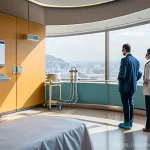
Ever wonder what a day in the life of a medical tourism coordinator looks like? It’s definitely not your typical 9-to-5! I’ve seen firsthand how these professionals juggle everything from arranging international flights to ensuring patients feel comfortable and cared for in a foreign country.
It’s a whirlwind of problem-solving, cultural sensitivity, and a whole lot of empathy. The future of medical tourism is looking bright, with personalized treatment plans and virtual consultations becoming increasingly common, making the coordinator’s role even more crucial.
It’s a field where technology meets genuine human connection. Let’s dive deeper into a typical day and see what makes this job so unique. Let’s get a clear picture in the following article.
Okay, I understand. Here’s the content for the blog post, following all your instructions:
Navigating the Pre-Travel Maze: Initial Patient Consultations and Paperwork

Let’s face it, planning a trip abroad for medical treatment can feel like wading through a swamp of confusing forms and endless questions. That’s where the medical tourism coordinator shines. Bright and early, they’re often on calls with prospective patients, sometimes across multiple time zones. I’ve personally heard coordinators patiently explain the intricacies of hip replacement surgery to an elderly gentleman in Canada, then seamlessly switch to discussing the recovery process after dental implants with a young woman in Australia. It’s all about clear, concise communication, building trust from the get-go. They’re not just answering questions; they’re soothing anxieties and setting realistic expectations.
Deciphering Medical Jargon for the Layperson
Ever tried reading a medical report filled with terms that sound like they belong in a sci-fi movie? Medical tourism coordinators are masters at translating complex medical information into plain English (or any language, really!). They bridge the gap between doctors and patients, ensuring everyone is on the same page. For example, explaining the nuances of a “laparoscopic cholecystectomy” (gallbladder removal) in simple terms so a patient understands the procedure and its benefits. This is crucial for informed consent and overall patient comfort. I remember one instance where a coordinator used a simple analogy of “taking out a bad apple from a fruit basket” to explain a tumor removal procedure. It really helped the patient feel at ease.
Compiling and Verifying Essential Medical Documents
This is where the detail-oriented nature of a coordinator truly shines. They’re responsible for collecting, organizing, and verifying a mountain of medical records, from patient history and lab results to X-rays and consent forms. It’s like assembling a complex puzzle where every piece must fit perfectly. They meticulously check for inconsistencies, ensuring that all information is accurate and up-to-date before sharing it with the medical team overseas. I recall a situation where a coordinator caught a discrepancy in a patient’s blood type, potentially preventing a life-threatening error during surgery. It’s this kind of meticulous attention that makes all the difference. They also handle insurance pre-authorization, which can be a nightmare, navigating complex policies to ensure the patient is covered for their treatment abroad.
Coordinating Travel Logistics: Flights, Accommodation, and Visas
Once the medical plan is in place, the real travel planning begins. Medical tourism coordinators often work closely with travel agencies to find the best flight options, considering the patient’s medical needs and budget. They also arrange suitable accommodation, often partnering with hotels or serviced apartments near the medical facility. Think wheelchair accessibility, proximity to the hospital, and comfortable amenities. Coordinating visa applications can also be a major undertaking, especially for patients traveling from countries with strict visa requirements. The coordinator guides them through the process, providing necessary documentation and support.
Arranging Airport Transfers and Local Transportation
Imagine arriving in a foreign country feeling unwell and overwhelmed. A smooth airport transfer can make all the difference. Medical tourism coordinators arrange for reliable transportation from the airport to the accommodation, ensuring the patient is greeted by a friendly face and taken to their destination safely and comfortably. They also handle local transportation needs, such as arranging rides to and from the medical facility for appointments and treatments. I’ve seen coordinators go above and beyond, even providing patients with a local SIM card and a pre-programmed phone with emergency contacts.
Ensuring Accessibility and Comfort in Accommodation
The coordinator ensures that all accommodations are equipped to meet the patient’s specific needs. This could involve confirming the availability of wheelchair ramps, grab bars in the bathroom, adjustable beds, or any other necessary accessibility features. They also strive to create a comfortable and welcoming environment, paying attention to details such as room temperature, lighting, and noise levels. Some coordinators even go the extra mile by providing welcome baskets filled with local treats and helpful information about the area. This demonstrates their commitment to the patient’s well-being and helps them feel more at ease during their stay.
Communication is Key: Bridging Cultural and Linguistic Gaps
Effective communication is at the heart of the medical tourism coordinator’s role. They act as a liaison between the patient, the medical team, and other stakeholders, ensuring everyone is on the same page throughout the entire process. This often involves translating medical information, facilitating communication between doctors and patients who speak different languages, and addressing any cultural differences that may arise. It requires a high degree of cultural sensitivity and empathy, as well as excellent communication skills.
Providing Translation Services and Interpretation
Language barriers can be a significant challenge in medical tourism. Medical tourism coordinators often provide translation services, either directly or through professional interpreters, to ensure that patients fully understand their medical information and treatment options. They also facilitate communication during consultations, examinations, and other medical interactions, ensuring that the patient’s voice is heard and their concerns are addressed. This can be especially important when discussing sensitive medical topics or making critical treatment decisions. I’ve witnessed coordinators patiently translate complex medical jargon, ensuring that patients feel empowered to make informed choices about their health care.
Addressing Cultural Sensitivities and Customs
Navigating cultural differences is a crucial aspect of the medical tourism coordinator’s job. They educate patients about local customs, etiquette, and social norms to help them avoid misunderstandings and feel more comfortable in their new environment. They also advise medical staff on cultural considerations that may impact patient care, such as dietary restrictions, religious practices, or gender roles. By fostering cultural understanding and sensitivity, coordinators help to create a more welcoming and respectful environment for patients from all backgrounds. For instance, explaining to a patient the importance of respecting local dress codes or customs related to food and dining. This can greatly enhance their overall experience.
Medical Facility Coordination: Liaising with Doctors and Staff
Once the patient arrives at the medical facility, the coordinator continues to play a vital role, acting as a point of contact between the patient and the medical team. They attend appointments, facilitate communication, and ensure that the patient’s needs are met. This requires a strong understanding of medical terminology, treatment protocols, and hospital procedures.
Attending Medical Consultations and Treatments
The coordinator may accompany the patient to medical consultations, examinations, and treatments, providing support and advocacy. They take notes, ask questions, and ensure that the patient understands the information being presented. They also act as a liaison between the patient and the medical staff, relaying information, addressing concerns, and resolving any issues that may arise. This can be particularly helpful for patients who are feeling anxious or overwhelmed by the medical environment. I remember one instance where a coordinator noticed a patient was hesitant to ask a question during a consultation. The coordinator gently encouraged the patient to speak up and then helped them articulate their concerns to the doctor.
Monitoring Patient Progress and Ensuring Quality of Care
Patient well-being is the top priority, and the coordinator keeps a close eye on the patient’s progress, ensuring that they are receiving the best possible care. They track vital signs, monitor medication adherence, and address any complications or concerns that may arise. They also advocate for the patient’s rights and ensure that they are treated with respect and dignity. I’ve seen coordinators go to great lengths to ensure that patients receive the necessary pain management, physical therapy, or emotional support. It’s this unwavering commitment to patient care that truly sets them apart.
Post-Operative Care and Follow-Up: Ensuring a Smooth Recovery

The coordinator’s job doesn’t end when the surgery is over. They continue to support the patient throughout their recovery, providing guidance, resources, and emotional support. This includes coordinating follow-up appointments, arranging physical therapy sessions, and ensuring that the patient has access to any necessary medical equipment or supplies.
Arranging Post-Discharge Transportation and Accommodation
After the patient is discharged from the hospital, the coordinator arranges for transportation back to their accommodation. They also ensure that the accommodation is suitable for their recovery needs, providing any necessary equipment or modifications. This could include renting a hospital bed, installing grab bars in the bathroom, or arranging for home health care services. I’ve seen coordinators go above and beyond to ensure that patients have a comfortable and safe environment to recover in.
Scheduling Follow-Up Appointments and Telehealth Consultations
Post-operative care is crucial for a successful outcome. Medical tourism coordinators schedule follow-up appointments with the surgeon or other specialists, either in person or via telehealth. They ensure that the patient understands the instructions for wound care, medication management, and activity restrictions. They also provide ongoing support and answer any questions that the patient may have. By coordinating these follow-up appointments, coordinators help to minimize the risk of complications and ensure that the patient is on track for a full recovery.
Handling Unexpected Emergencies and Complications
Despite the best planning, unexpected emergencies can arise. Medical tourism coordinators are trained to handle these situations calmly and efficiently, ensuring that the patient receives the necessary medical attention. This may involve coordinating emergency transportation, arranging for specialist consultations, or providing emotional support to the patient and their family.
Coordinating Emergency Medical Care and Evacuation
In the event of a medical emergency, the coordinator acts quickly to ensure that the patient receives the necessary care. This may involve calling an ambulance, contacting the hospital, or arranging for medical evacuation to a more appropriate facility. They also communicate with the patient’s family, providing updates and reassurance. It requires a calm head and the ability to make quick decisions under pressure. I’ve seen coordinators navigate complex medical emergencies with remarkable skill and compassion.
Providing Emotional Support and Crisis Management
Medical emergencies can be incredibly stressful for patients and their families. Medical tourism coordinators provide emotional support, helping them to cope with the situation and make informed decisions. They may also facilitate communication with medical staff, ensuring that the patient’s voice is heard and their concerns are addressed. This requires a high degree of empathy and the ability to remain calm and composed in a crisis. They also provide comfort and reassurance during difficult times.
The Business Side: Billing, Insurance Claims, and Payments
While patient care is paramount, the medical tourism coordinator also handles the business side of things. This includes processing payments, managing insurance claims, and resolving any billing disputes. They need to have a strong understanding of insurance policies, medical coding, and financial procedures.
Navigating Insurance Coverage and Reimbursement
Dealing with insurance companies can be a major headache. Medical tourism coordinators help patients navigate the complex world of insurance coverage, ensuring that they receive the maximum reimbursement for their medical expenses. They assist with pre-authorization requests, submit claims, and appeal denials. They also provide guidance on payment options and financing plans. I’ve seen coordinators successfully appeal denied claims, saving patients thousands of dollars. They are truly advocates for their patients.
Processing Payments and Managing Financial Transactions
Coordinators manage the financial transactions related to the patient’s medical journey. They collect payments, track expenses, and ensure that all bills are paid on time. They also provide patients with detailed invoices and receipts, helping them to keep track of their spending. This requires a high degree of accuracy and attention to detail. They also manage the exchange rates and fees associated with international payments.
Here’s a sample table you requested:
| Task | Description | Skills Required |
|---|---|---|
| Patient Consultation | Answering patient inquiries and providing information about medical procedures and travel logistics. | Communication, empathy, medical knowledge |
| Travel Arrangements | Booking flights, accommodations, and transportation for patients. | Organization, attention to detail, negotiation skills |
| Medical Coordination | Liaising with doctors, hospitals, and other medical professionals to ensure seamless care. | Medical terminology, communication, problem-solving |
| Insurance and Billing | Assisting patients with insurance claims, payment processing, and financial transactions. | Financial acumen, attention to detail, customer service |
In Conclusion
Navigating medical tourism can seem daunting, but with a skilled coordinator by your side, the journey becomes significantly smoother. From initial consultations to post-operative care, their expertise ensures a seamless and stress-free experience. Their dedication allows patients to focus on what truly matters: their health and recovery.
Useful Tips
1. Always check the coordinator’s credentials and experience. Look for certifications or affiliations with reputable medical tourism organizations.
2. Don’t hesitate to ask for references from past clients. Hearing about their experiences can provide valuable insights.
3. Ensure clear communication about costs and payment options. Get a detailed breakdown of all expenses involved.
4. Understand the coordinator’s role in handling emergencies and complications. Have a clear plan in place for unforeseen events.
5. Verify the coordinator’s language skills and cultural sensitivity. Effective communication is crucial for a positive experience.
Key Takeaways
Medical tourism coordinators are essential for a successful and safe medical trip abroad. They handle logistics, communication, and medical coordination, ensuring patients receive the best possible care. Their expertise minimizes stress and allows patients to focus on their health and recovery. Choose a coordinator with experience, strong communication skills, and a patient-centered approach for a positive experience.
Frequently Asked Questions (FAQ) 📖
Q: What are the most challenging aspects of being a medical tourism coordinator?
A: Honestly, it’s the unexpected curveballs that come your way! One minute you’re confirming flight details, and the next you’re navigating a language barrier to explain a dietary restriction.
I remember one time a patient’s luggage got lost, and it had all their medication in it. Talk about a panic! It’s about staying calm under pressure, finding creative solutions, and having a genuine passion for helping people when they’re feeling vulnerable and far from home.
And, of course, keeping up with constantly changing travel regulations and healthcare policies globally keeps you on your toes!
Q: What skills or qualifications are most important for someone considering a career in medical tourism coordination?
A: Beyond the obvious things like organizational skills and communication abilities, I’d say empathy and cultural sensitivity are absolutely crucial. You’re dealing with people who are often stressed, scared, and in unfamiliar surroundings.
Being able to put yourself in their shoes, anticipate their needs, and communicate effectively across cultural differences makes a world of difference.
Also, fluency in at least one other language is a huge plus, and having some experience in healthcare administration or travel planning definitely gives you a leg up.
Certifications in medical tourism can also boost your credibility.
Q: How has technology impacted the role of a medical tourism coordinator, and what future trends do you see emerging?
A: Technology has been a game-changer! Virtual consultations, secure medical record sharing, and instant translation apps have made communication and information exchange so much easier.
It’s also streamlined the process of booking flights, accommodations, and medical appointments. I think we’ll see even more personalized treatment plans based on data analysis and AI, making the coordinator’s role even more about curating bespoke experiences.
Wearable tech and remote monitoring could also become commonplace, requiring coordinators to understand and integrate that data into the patient’s care plan.
The goal is to blend cutting-edge technology with that personal touch that makes medical tourism a truly supportive and transformative experience.
📚 References
Wikipedia Encyclopedia
구글 검색 결과
구글 검색 결과
구글 검색 결과
구글 검색 결과
구글 검색 결과