Your Ultimate Edge Unveiling the Secrets to Medical Tourism Coordinator Practical Exam Mastery

webmaster

Prompt 1: Digital Bridge and Global Reach**

Are you feeling that familiar knot of anxiety about the Medical Tourism Coordinator practical exam? Believe me, I’ve been there. It’s not just about ticking boxes; it’s about genuinely mastering a unique blend of medical knowledge, intricate logistics, and profound cross-cultural empathy.

The landscape of global healthcare is shifting incredibly fast – think about the explosion of telemedicine, the personalized patient journeys powered by AI, and the ever-growing demand for holistic care post-pandemic.

Your practical exam needs to reflect this dynamic reality, moving far beyond textbooks into real-world application. From my own experience assisting individuals prepare for this pivotal step, I’ve consistently found that success hinges on more than just facts; it’s about demonstrating a practical readiness for the complexities of international patient care, truly embodying the role.

This isn’t merely a test of what you know, but how you apply it under pressure, especially with today’s trends emphasizing seamless digital integration and unparalleled patient experience.

Preparing effectively for this exam is your gateway to a rewarding career at the forefront of global health. Let’s explore this in detail below.

Unlocking the Digital Toolkit for Seamless Patient Journeys

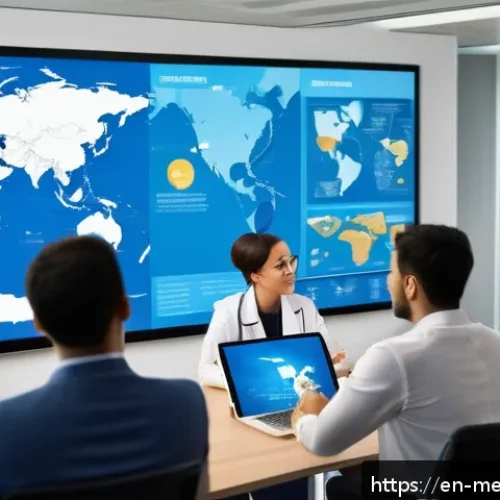
your - 이미지 1

The medical tourism landscape has fundamentally transformed, and if you’re like me, you’ve witnessed this shift firsthand. It’s no longer just about arranging flights and appointments; it’s about leveraging cutting-edge digital platforms to create a truly seamless, intuitive experience for patients from start to finish.

I often reflect on how much simpler, yet paradoxically more complex, things have become with the advent of advanced telemedicine solutions and AI-driven personalization.

Your practical exam, I’ve found, will heavily lean into your ability to navigate this digital frontier, demonstrating not just theoretical knowledge but practical application.

Think beyond the basic booking platforms; consider how a patient from a remote village can have a pre-consultation with a specialist across the globe via high-definition video, or how AI can predict potential travel complications.

It’s about building a digital bridge that feels utterly natural and secure, making the vast distance disappear for a patient. This isn’t just efficiency; it’s about extending genuine care through technology, ensuring that every touchpoint, whether virtual or physical, reinforces trust and transparency.

Embracing Telemedicine for Initial Consultations and Follow-ups

One of the most critical evolutions I’ve observed is the full integration of telemedicine. I remember a few years ago, it felt like a futuristic concept, but now it’s an absolute bedrock of effective medical tourism coordination.

For your exam, you should be able to articulate how you’d utilize various telemedicine platforms, understanding their unique features, security protocols, and accessibility for diverse patient demographics.

It’s about making that crucial initial connection, facilitating pre-treatment discussions, and importantly, enabling seamless post-treatment follow-ups without the patient needing to travel back.

  • Navigating secure video conferencing platforms (HIPAA compliance, GDPR considerations).
  • Coordinating multi-specialty virtual consultations to offer holistic pre-assessments.
  • Facilitating remote monitoring and post-operative care through wearable tech integration.

Leveraging AI and Data for Personalized Patient Experiences

This is where the magic truly happens, in my opinion, turning a good coordinator into an exceptional one. The ability to harness AI and data analytics isn’t just a buzzword; it’s a tangible tool that personalizes every aspect of the patient journey.

Imagine being able to predict a patient’s dietary needs based on their cultural background and health profile, or optimizing travel itineraries based on real-time traffic and weather patterns.

My own experience has shown me that when you can anticipate needs and tailor solutions before they even become apparent, you’re not just coordinating; you’re truly caring.

Your exam might present scenarios where you need to showcase how you’d use patient data ethically and effectively to enhance their experience, from choosing the right accommodation to recommending specific recreational activities during recovery.

The Human Element: Cultivating Unwavering Empathy Across Cultures

While technology undeniably streamlines processes, the heart of medical tourism remains profoundly human. This practical exam isn’t just about what you know; it’s about who you are and how you connect with people when they are at their most vulnerable.

I’ve often said that a great medical tourism coordinator is, at their core, an expert in empathy, especially when bridging cultural divides. It’s a skill you can’t just read about in a textbook; it’s honed through countless interactions, through listening intently, observing unspoken cues, and sometimes, learning from your own missteps.

I recall a time when a patient expressed frustration not with the medical care itself, but with the lack of familiar food options. It was a small detail, but to them, it was everything.

Understanding these nuances, feeling what the patient feels, and reacting with genuine compassion is paramount. Your ability to demonstrate this on the exam, perhaps through role-playing scenarios, will distinguish you.

Navigating Language Barriers and Non-Verbal Cues

This is more than just having an interpreter present. It’s about understanding that a direct translation doesn’t always convey the full meaning, or the emotional weight, behind a patient’s words.

I’ve personally found that paying close attention to body language, tone of voice, and even periods of silence can reveal far more about a patient’s true feelings or concerns than their spoken words alone.

  • Utilizing professional medical interpreters and understanding their role.
  • Recognizing cultural differences in communication styles (e.g., direct vs. indirect).
  • Interpreting non-verbal signals like eye contact, personal space, and gestures.

Building Trust Through Cultural Sensitivity and Respect

Trust is the cornerstone of a successful patient journey, and it’s built brick by brick through genuine cultural sensitivity. It means understanding that certain medical procedures might carry different social or spiritual connotations in various cultures, or that family involvement in decision-making varies wildly.

I vividly remember a situation where a patient refused a specific treatment that, to me, seemed medically straightforward. Only after understanding their deeply held cultural beliefs did I realize my approach was entirely wrong.

It taught me that patience, research, and a willingness to adapt are indispensable. For your exam, be prepared to demonstrate how you’d research and adapt to diverse cultural norms, showing that your care is truly patient-centered.

Navigating the Labyrinth of Global Regulations and Ethical Standards

Let’s be honest, the world of international healthcare isn’t always straightforward. It’s a complex tapestry woven with diverse legal frameworks, varying medical standards, and sometimes, conflicting ethical considerations.

When I first stepped into this field, the sheer volume of regulations felt overwhelming. But what I’ve learned, often through trial and error, is that staying meticulously informed about global health policies, patient privacy laws (like HIPAA or GDPR), and medical malpractice considerations isn’t just a requirement; it’s your professional duty and the bedrock of trust.

Your practical exam will undoubtedly challenge your understanding of these intricate legal and ethical landscapes, testing your ability to navigate them responsibly.

Think about a scenario where a patient’s home country has different data privacy rules than the treatment destination – how would you ensure compliance while maintaining transparency?

This isn’t theoretical; it’s a daily reality for seasoned coordinators.

Ensuring Compliance with International Patient Privacy Laws

This is non-negotiable. Breaching patient privacy, even unintentionally, can have severe consequences for both the patient and your professional standing.

I’ve seen situations where a simple oversight in data sharing protocols led to significant trust issues. It’s about being painstakingly careful.

  • Understanding the nuances of GDPR, HIPAA, and other regional data protection acts.
  • Implementing secure data transmission and storage protocols.
  • Educating patients on their data rights and consent processes.

Upholding Ethical Principles in Patient Selection and Treatment

This goes beyond just legality; it dives into the moral compass of your role. You might encounter situations where a patient requests a procedure that raises ethical red flags, or where treatment options are influenced by financial incentives.

My personal take is that transparency and the patient’s best interest must always be paramount. The exam might present a dilemma: how do you balance a patient’s desires with medical ethics, especially when cultural beliefs or financial pressures are at play?

Your response should reflect integrity and a deep commitment to patient advocacy.

Beyond the Brochure: Crafting Bespoke Medical Tourism Experiences

Anyone can book a flight and a hotel, but a truly exceptional medical tourism coordinator goes far beyond the brochure. They craft a bespoke experience, tailored to the unique needs, desires, and even anxieties of each patient.

I’ve always felt that the practical exam gauges your ability to see beyond the clinical aspects and embrace the holistic journey. This means anticipating not just medical needs, but also cultural sensitivities, personal preferences, and even leisure activities that contribute to a positive recovery environment.

My own experience has shown me that the little things, like ensuring specific dietary accommodations or arranging local cultural excursions post-treatment, can elevate a standard medical trip into a genuinely transformative healing experience.

It’s about personal touches that say, “We see you, we understand you, and we care about your comfort every step of the way.”

Personalizing Logistics: Accommodation, Transport, and Comfort

This is where meticulous planning meets empathetic execution. It’s not just about booking the nearest hotel; it’s about finding accommodation that feels like a home away from home, considering factors like accessibility, proximity to the medical facility, and cultural food options.

I recall a family I worked with who needed a specific type of kitchen for religious dietary preparation; finding the right Airbnb made all the difference to their comfort and peace of mind.

Your exam will test your attention to these crucial details.

Aspect of Personalization Traditional MTC Approach Modern MTC Competency (Practical Exam Focus)
Accommodation Booking standard hotels near clinic. Tailoring stays based on patient’s cultural needs, family size, dietary restrictions, and mobility.
Transportation Arranging basic airport transfers. Organizing accessible, comfortable transport; considering cultural norms (e.g., female-only drivers); coordinating during medical emergencies.
Cultural Integration Providing general tourist info. Offering curated cultural experiences, familiar food options, and local support networks to ease cultural shock and enhance well-being.
Communication Relying on direct translation. Employing culturally sensitive communication strategies, understanding non-verbal cues, and facilitating emotional support.

Quality Assurance and Patient Feedback Integration

This is where you demonstrate your commitment to continuous improvement. It’s not enough to just complete a patient’s journey; it’s crucial to follow up, solicit feedback, and critically evaluate the experience.

I’ve personally found that the most valuable insights come directly from patients themselves, highlighting areas for improvement that I might never have considered.

Your exam might involve scenarios where you have to develop a feedback loop or respond to a patient complaint, showcasing your ability to not only resolve issues but to learn from them and enhance future patient experiences.

Crisis Management & Contingency Planning: Staying Ahead of the Unexpected

No matter how meticulously you plan, the unexpected will happen. A flight delay, a sudden medical complication, a lost passport – these are the real-world scenarios that truly test your mettle as a medical tourism coordinator.

I vividly remember a moment when a patient’s visa was unexpectedly denied just days before their scheduled surgery. It was a gut-wrenching moment, but it forced me to think on my feet, to tap into my network, and to find an immediate, albeit alternative, solution.

The practical exam will undoubtedly probe your ability to think critically under pressure, to develop robust contingency plans, and to maintain calm and clear communication when everything seems to be going wrong.

It’s about demonstrating resilience, resourcefulness, and an unwavering commitment to the patient’s well-being, even when facing significant obstacles.

This isn’t just about having a Plan B; it’s about having the presence of mind to implement it effectively while reassuring a vulnerable patient.

Developing Robust Emergency Protocols

This is the absolute core of responsible medical tourism coordination. Before any patient embarks on their journey, you must have a clear, actionable emergency protocol in place.

This includes knowing who to contact in a medical emergency, understanding local emergency services, and having a communication plan for the patient and their family.

I’ve personally developed detailed flowcharts for various emergency scenarios, ensuring that every team member knows their role.

  • Establishing clear lines of communication with emergency services at the destination.
  • Identifying and documenting local medical facilities equipped for various emergencies.
  • Creating emergency contact lists for patients, medical teams, and family members.

Problem-Solving Under Pressure and Adaptability

This is where your natural leadership and quick thinking come into play. A practical exam will likely throw a curveball at you – perhaps a last-minute change in a doctor’s schedule or an unforeseen travel disruption.

How you react in these moments, how quickly you can pivot and find an alternative solution while keeping the patient informed and calm, is incredibly telling.

My personal experience has taught me that the best problem-solvers aren’t necessarily the ones who know all the answers, but those who know how to find them, and who remain composed enough to execute a new plan efficiently.

It’s about being agile and having a “can-do” attitude, even when faced with seemingly insurmountable challenges.

Building Your Strategic Alliance Network: Collaborative Care Pathways

As a medical tourism coordinator, you’re never truly alone. Your success, and more importantly, your patient’s successful journey, hinges significantly on the strength and breadth of your professional network.

I cannot stress this enough: cultivating robust relationships with healthcare providers, accommodation partners, transportation services, and even local cultural liaisons is absolutely vital.

I’ve personally seen how a strong network can turn a seemingly impossible situation into a manageable one, purely through the goodwill and collaborative spirit of trusted partners.

Your practical exam will likely test your understanding of how to leverage these alliances, how to identify reliable partners, and how to foster win-win relationships that ultimately benefit the patient.

It’s about recognizing that you’re a conductor in a complex orchestra, and each instrument needs to be in perfect harmony.

Forging Strong Relationships with Healthcare Providers

This is where your advocacy for the patient truly begins. Having a direct line to the physicians, nurses, and administrative staff at the destination hospital can make all the difference, especially when you need to advocate for a patient’s specific needs or troubleshoot an unexpected issue.

I always make it a point to visit facilities, meet key personnel, and build rapport long before a patient even steps foot in the country.

  • Establishing preferred provider agreements with accredited hospitals and clinics.
  • Maintaining open lines of communication with medical teams for real-time updates.
  • Understanding the specialties and strengths of various international medical centers.

Leveraging Local Resources and Community Partnerships

Beyond the medical facility itself, a rich network of local resources can significantly enhance a patient’s experience. This includes reliable transportation services, culturally appropriate accommodation providers, and even local support groups or community organizations that can offer non-medical assistance.

I’ve found immense value in connecting patients with local support networks who share their language or cultural background, providing an invaluable sense of community and familiarity in a foreign land.

Your exam might require you to demonstrate how you’d identify and utilize these crucial local partnerships to provide holistic support.

The Art of Post-Treatment Follow-Up and Long-Term Engagement

Many people think the medical tourism coordinator’s job ends when the patient boards their flight home. But from my vantage point, that’s just the end of one chapter, not the entire book.

True excellence in this role lies in the meticulous post-treatment follow-up and fostering long-term engagement. I’ve found that patients appreciate knowing you’re still there, even after they’ve returned home, ready to assist with anything from medical record transfers to ongoing recovery inquiries.

It’s not just about providing service; it’s about building a lasting relationship based on trust and continued care. Your practical exam might include scenarios where you need to demonstrate how you would ensure a smooth transition back to the patient’s home country, manage their post-operative care needs remotely, and even gather valuable feedback for continuous improvement.

This sustained engagement isn’t merely good practice; it’s a powerful differentiator that establishes your reputation and builds a robust pipeline of referrals and repeat clients.

Ensuring Seamless Transition to Home-Country Care

This can be a surprisingly complex phase, often fraught with potential miscommunications or delays. The patient needs to feel confident that their care will continue uninterrupted.

I’ve personally spent countless hours coordinating with home-country physicians, ensuring all medical records are accurately transferred and that a clear post-treatment plan is in place.

It’s about bridging the gap between two different healthcare systems.

  • Facilitating the secure transfer of comprehensive medical records to home physicians.
  • Coordinating virtual follow-up appointments with the treating physician abroad.
  • Assisting patients in understanding and adhering to their post-operative instructions.

Gathering Feedback for Continuous Improvement and Reputation Building

Every patient journey, regardless of its outcome, offers invaluable lessons. Proactively soliciting feedback, both positive and constructive, is fundamental to refining your services and enhancing future patient experiences.

I always make it a point to follow up with patients a few weeks after their return, not just to check on their recovery, but to understand their overall experience.

This feedback loop is golden. It helps you identify areas for improvement and, equally important, it reinforces the patient’s feeling that their opinion matters, cementing their loyalty and turning them into powerful advocates for your services.

Your practical exam might test your approach to feedback collection and how you would apply it to refine your coordination process.

Concluding Thoughts

As we’ve journeyed through the intricate world of medical tourism coordination, it becomes abundantly clear that this role is far more than a job – it’s a calling. I’ve found immense personal satisfaction in bridging cultures and technologies, ensuring that every patient’s path to healing is as smooth and reassuring as possible. Your practical exam, then, isn’t merely a test of knowledge; it’s an assessment of your holistic capability to weave together logistics, compassion, and unwavering ethical standards. Embrace the challenges, for they are truly opportunities to demonstrate your unique blend of skill and heart in this constantly evolving and deeply rewarding field.

Useful Information for Aspiring Coordinators

1. Continuous Learning is Key: The digital healthcare landscape changes rapidly. Subscribe to industry newsletters, attend webinars on new technologies (like generative AI in healthcare communication), and stay updated on international regulations like the latest data privacy amendments in Europe or North America.

2. Build Your Network Actively: Don’t wait for a crisis to build relationships. Connect with medical professionals, travel agencies, and even local community leaders. A strong network is your most valuable asset for problem-solving and finding tailored solutions.

3. Immerse Yourself in Cultures: True cultural competency goes beyond reading. If possible, travel, engage with diverse communities, and learn basic phrases in common patient languages. This practical exposure builds empathy and understanding that no textbook can provide.

4. Prioritize Self-Care: This job is emotionally demanding. Learn to manage stress, set boundaries, and find support systems. A burnt-out coordinator can’t provide the best care for their patients.

5. Consider Niche Specializations: As you gain experience, you might find a passion for a specific area, like fertility tourism, dental tourism, or even recovery retreats. Specializing can help you become an undeniable expert and attract a more focused clientele.

Key Takeaways

Navigating the complex world of medical tourism demands a unique blend of competencies. Success hinges on your ability to harness cutting-edge digital tools for seamless patient journeys, while never losing sight of the profound human element that requires unwavering empathy and cultural sensitivity. Meticulous adherence to global regulations and ethical standards is non-negotiable, forming the bedrock of trust. Beyond logistics, truly exceptional coordinators craft bespoke experiences, anticipating needs and ensuring holistic comfort. Finally, the capacity for crisis management, the strength of your professional network, and a commitment to thorough post-treatment follow-up define your long-term success and reputation in this dynamic field.

Frequently Asked Questions (FAQ) 📖

Q: What’s the biggest misconception people have when preparing for this Medical Tourism Coordinator practical exam?

A: Oh, this is a big one, and it’s a trap so many bright, capable individuals fall into. The biggest misconception is thinking it’s just another recall test—like a pop quiz on medical terms or travel regulations.
People study diligently, memorizing facts, figures, and protocols straight from the textbook. And while foundational knowledge is absolutely crucial, the exam isn’t designed to see if you can regurgitate data.
Not anymore, not with how fast the world’s moving! I remember working with a candidate from Texas, incredibly sharp, knew every ICD-10 code under the sun.
But when presented with a scenario involving a patient from a completely different cultural background needing urgent care in an unfamiliar city, their factual knowledge faltered because they hadn’t practiced applying it with that vital layer of human understanding and logistical agility.
The exam is less about what you know and far more about how you can practically do it, on your feet, under pressure, adapting to real-time curveballs like flight delays or unexpected dietary restrictions in a foreign hospital.
It’s about embodying that problem-solving, patient-first mindset.

Q: How can I genuinely demonstrate E-E-

A: -T – Experience, Expertise, Authoritativeness, and Trustworthiness – during an exam that also emphasizes AI and telemedicine? A2: This is where the magic happens, truly.
It’s not about listing buzzwords; it’s about showing you get it in practice. For Experience, think about how you’d handle a real telemedicine consultation.
Not just “I know what Zoom is,” but “I’d ensure the patient’s privacy is paramount by using a HIPAA-compliant platform, verifying their identity, and having a backup plan for internet issues in case they’re in a remote area.” Expertise comes in when you seamlessly integrate new tech.
Imagine a patient needing a second opinion from a specialist across the Atlantic. Instead of just saying “I’d find one,” you’d describe utilizing an AI-powered diagnostic support tool to quickly identify potential specialists based on symptom clusters, then leveraging secure digital platforms to share anonymized medical records efficiently.
Authoritativeness is your ability to guide the patient confidently through complex digital consent forms or explain the implications of using wearable health tech for remote monitoring.
And Trustworthiness? That’s paramount. It’s about being the calm, knowledgeable voice when a patient is anxious about their digital data security, or when they’re worried about a language barrier during an AI-translated video call.
You’re not just a coordinator; you’re their anchor in a technologically evolving healthcare landscape. I’ve seen candidates truly shine by role-playing these scenarios, showing how they’d practically apply these concepts, not just talk about them.

Q: I’m feeling a bit overwhelmed by the cross-cultural empathy aspect, especially with so many different patient backgrounds. What’s one practical, actionable tip you’d offer for that specific challenge?

A: Believe me, that feeling of overwhelm is completely normal – it’s a lot to process! If I had to pick just one actionable tip for cross-cultural empathy, it would be this: Don’t assume; always ask, and actively listen for the why behind their preferences or concerns.
It sounds simple, but it’s incredibly powerful. For example, I once worked with a patient from a deeply spiritual background who was initially hesitant about a certain post-operative diet plan, which on paper looked perfectly fine.
Instead of pushing or just explaining the medical benefits again, I asked, “Could you share with me any concerns or traditions that might make this difficult for you?” What emerged was a beautiful conversation about dietary practices linked to their beliefs, which allowed us to collaboratively find an equally effective, culturally respectful alternative.
It wasn’t about memorizing every culture’s customs; it was about fostering an environment where they felt safe to express them. The practical exam will likely throw you scenarios where a patient’s cultural norms might seem at odds with standard Western medical practice.
Your job isn’t to judge or impose, but to bridge that gap with respectful inquiry and creative problem-solving, always putting the patient’s comfort and understanding first.
It’s about building genuine rapport, one thoughtful question at a time.